
Power Flushing in Uxbridge & Harrow
Is your central heating struggling to warm your home evenly? If your radiators heat slowly, your system has circulation problems or you have been advised that sludge may be affecting your heating, power flushing could be worth investigating.
BoilerCare Cover welcomes enquiries from homeowners and landlords across Uxbridge, Harrow and surrounding UB & HA postcode areas. Contact us to discuss your heating system and establish whether a power flush may be suitable.
What Is Power Flushing?
Power flushing is a specialist cleaning process used on suitable central heating systems to help remove accumulated sludge, magnetite and other deposits from the water circuit.
Over time, corrosion products and debris can build up inside radiators and pipework. In some systems, this contamination can restrict water flow and contribute to uneven heating, poor circulation or other performance problems.
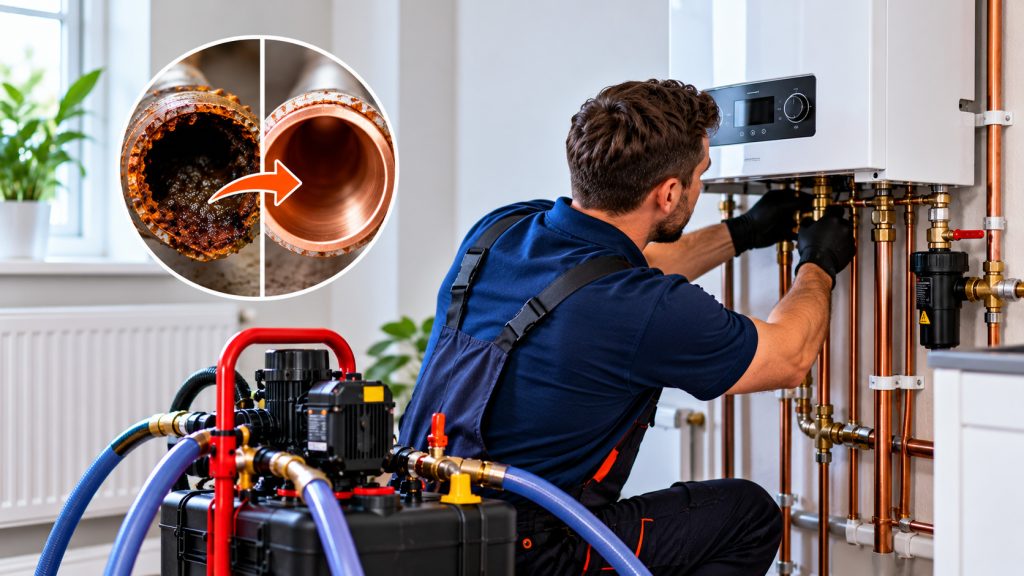
During a power flush, specialist equipment circulates water and suitable cleaning chemicals through the heating system according to the equipment manufacturer's instructions and the requirements of the installation. The process is intended to dislodge and remove deposits before the system is refilled and treated as appropriate.
Power flushing is not necessary for every heating problem, and it cannot guarantee that every fault will be resolved. The system should be assessed first to establish whether contamination is likely to be contributing to the symptoms.
If you are experiencing heating problems in Uxbridge, Harrow or the surrounding UB & HA areas, contact BoilerCare Cover to discuss the options for your property.
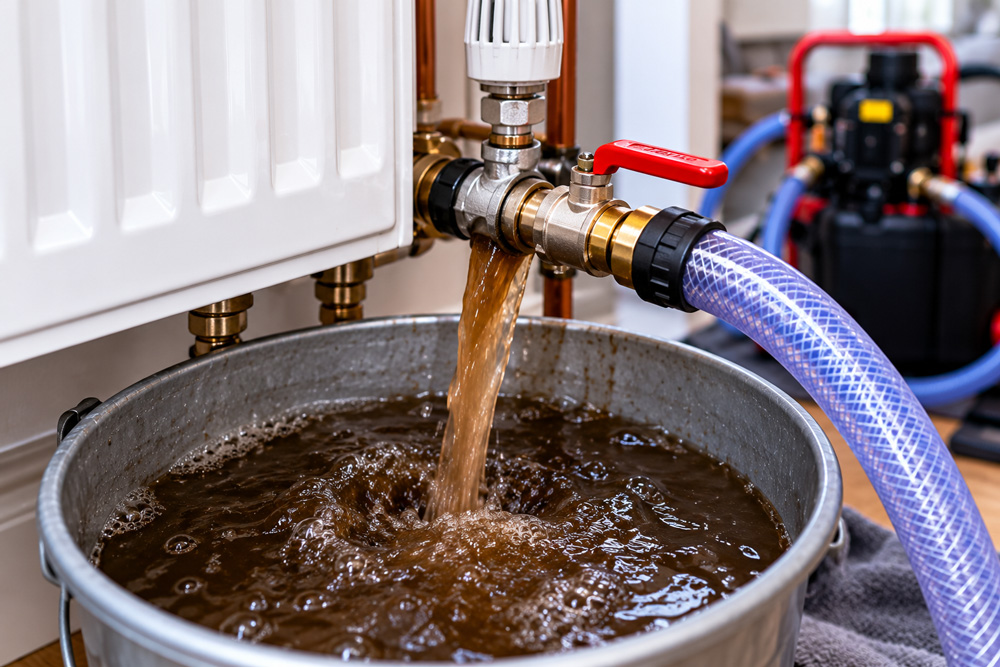
Could Your Central Heating Benefit From Power Flushing?
Sludge and debris can affect how water circulates through a heating system. The following symptoms may justify an assessment, although none confirms on its own that power flushing is required.
Radiators Cold at the Bottom
A radiator that is warmer at the top but remains cold towards the bottom may have a build-up of deposits. Other issues can produce similar symptoms, so the cause should be checked before choosing a treatment.
Radiators Heating Unevenly
If some radiators warm up while others remain cooler, restricted circulation or system balancing issues may be involved. An assessment can help distinguish between these possibilities.
Slow Heating Performance
If rooms take longer than expected to warm up, the cause could involve circulation, controls, radiator sizing or other parts of the heating system. Cleaning may be appropriate in some cases, but it is not the only possible solution.
Repeated Circulation Problems
Persistent circulation difficulties may justify checking for restrictions, deposits, pump problems or other faults before deciding on the next step.
Dark or Dirty Heating Water
Dark water or deposits found during appropriate system checks can indicate corrosion products within the circuit. Their presence should be assessed alongside the system's overall condition.
A New Boiler for an Existing System
When replacing a boiler, the condition of the existing heating circuit matters. The installer should assess whether cleaning or other remedial work is appropriate before connecting the new appliance to the system.
What Happens During a Power Flush?
The precise procedure depends on the heating system, its condition and the equipment being used. A typical process may involve the following stages.
1. Assess the Heating System
The system is reviewed to establish whether power flushing is appropriate, identify any known faults and check for issues that may make the procedure unsuitable.
2. Connect Specialist Equipment
Where suitable, power-flushing equipment is connected to the heating circuit following the manufacturer's instructions and the requirements of the installation.
3. Circulate and Remove Deposits
Water and suitable cleaning agents are circulated through the system to help dislodge and remove accumulated debris. The procedure is adapted to the system and its condition.
4. Refill and Treat the System
After cleaning, the system is flushed and refilled as appropriate. A suitable corrosion inhibitor may be added, where required, in line with the system and product instructions.
The heating system is then checked as appropriate, and any separate faults or further work identified should be explained.
Does Your Heating Need Bleeding or Power Flushing?
Radiator Bleeding
Bleeding releases trapped air from a radiator. Air can cause a radiator to remain cold at the top or make gurgling noises. Follow the manufacturer's guidance and understand how to restore system pressure if needed.
Power Flushing
A specialist cleaning procedure intended to remove sludge and debris from a suitable heating circuit. It may be considered where deposits are affecting circulation.
These treatments address different problems. A cold radiator does not automatically mean the system needs a power flush, so identify the likely cause before arranging work.
When Might Power Flushing Not Be the Right Solution?
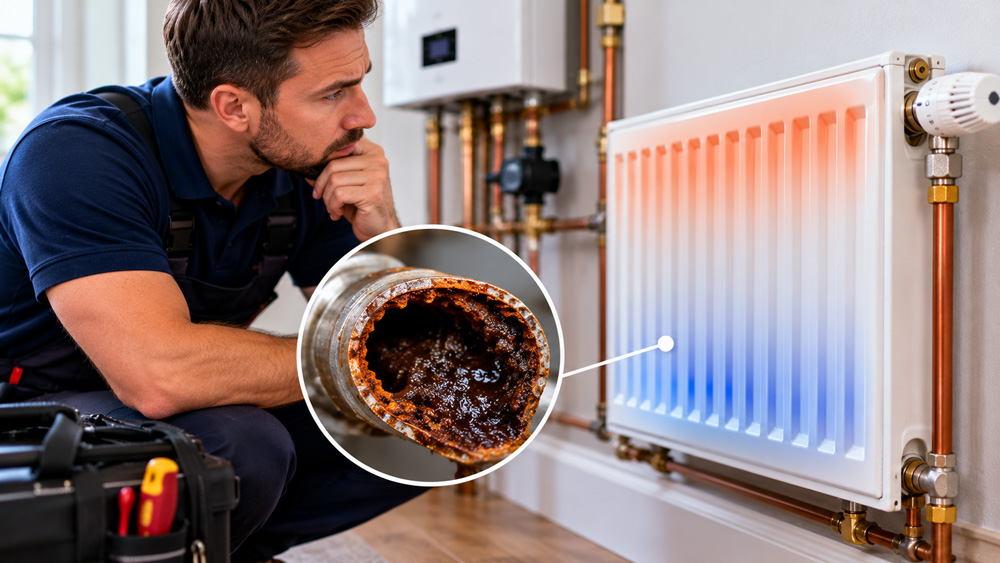
Power flushing can be useful for suitable systems affected by sludge or other deposits, but it is not a universal remedy for central heating problems.
Before proceeding, the condition and configuration of the heating system should be considered.
- Faulty valves or controls: A stuck radiator valve or incorrectly operating thermostat may need repair rather than system cleaning.
- Pump problems: If a pump is defective, cleaning alone may not restore proper circulation.
- Trapped air: A radiator may simply need appropriate bleeding rather than a power flush.
- Existing leaks: Leaks and their causes should be investigated before deciding whether a flushing procedure is suitable.
- Older or vulnerable components: The condition of radiators, pipework, valves and connections matters. A professional should consider whether the system can safely tolerate the proposed procedure.
- Other system faults: Poor heating performance may relate to system design, balancing or another issue unrelated to contamination.
The appropriate treatment depends on the findings. A professional assessment can help determine whether power flushing, a targeted repair or another form of maintenance is the more suitable option.
Should You Power Flush Before Installing a New Boiler?
When an existing boiler is replaced, it is important to consider the condition of the central heating system it will serve.
If the system contains significant contamination, deposits may affect circulation and could contribute to problems with the new installation. Depending on the system's condition and the installation requirements, cleaning or another suitable preparation procedure may be recommended.
However, power flushing is not automatically necessary for every boiler replacement. The appropriate preparation depends on the existing system, the condition of its components and the manufacturer's and installer's requirements.
If you are planning a boiler replacement in Uxbridge, Harrow or the surrounding UB & HA areas, discuss system preparation with the installer before the work begins.
Power Flushing in Uxbridge, Harrow & Surrounding Areas
BoilerCare Cover focuses on homeowners and landlords across Uxbridge, Harrow and surrounding UB & HA postcode areas.
If your radiators are heating unevenly, you suspect sludge in your heating circuit or you have been advised to consider system cleaning, contact us to discuss the symptoms and your property's heating arrangements.
We can discuss your requirements and confirm whether the relevant service is available for your location.
Tell Us How We Can Help
Complete the form below with a few details about your requirements, and we'll get back to you as soon as possible.
Power Flushing FAQs
How do I know if my central heating needs power flushing?
Possible signs include radiators that are cold at the bottom, uneven heating or circulation problems. These symptoms can have other causes, so a system assessment is recommended before deciding whether flushing is appropriate.
How long does power flushing take?
The time required depends on the size and condition of the heating system, the number of radiators, accessibility and the amount of cleaning required. Ask for an estimated duration once the installation has been assessed.
How much does power flushing cost?
The price depends on factors such as system size, the number of radiators, accessibility and the condition of the heating circuit. Additional repairs or remedial work may affect the total cost. A quotation should set out what is included.
Will power flushing fix cold radiators?
It may help if sludge or debris is restricting circulation. However, cold radiators can also result from trapped air, faulty valves, pump problems, controls or balancing issues. The cause should be investigated before selecting a treatment.
Is power flushing always needed when installing a new boiler?
No. The condition of the existing heating system and the requirements of the proposed installation should determine whether power flushing or another cleaning method is appropriate.
Can power flushing damage an old heating system?
The condition of the radiators, valves, pipework and other components must be considered before proceeding. A suitably qualified professional should assess whether the proposed procedure is appropriate for the system.
Do you offer power flushing in Uxbridge and Harrow?
BoilerCare Cover welcomes enquiries from homeowners and landlords across Uxbridge, Harrow and surrounding UB & HA postcode areas. Contact the team to discuss your heating system and confirm service availability.
Heating & Plumbing Services
BoilerCare Cover also provides a range of heating, cooling, gas and plumbing services across the UB and HA areas.
Could Your Heating System Benefit From Power Flushing?
Contact BoilerCare Cover to discuss radiator performance, circulation problems and whether power flushing may be suitable for your property in Uxbridge, Harrow or the surrounding UB & HA postcode areas.